
Hanska, MN Homeowners: How Late Spring Humidity and Rising Temperatures Accelerate Roof Moss & Algae Growth

The transition from late spring to summer in Hanska brings a perfect storm for roof problems. Rising temperatures in the mid-80s combined with Minnesota's notorious humidity create ideal conditions for moss and algae to flourish on asphalt shingles. Over the past six years, Roof Rejuvenate MN has watched this seasonal pattern damage roofs throughout Watonwan County, particularly in Hanska's older residential areas where mature tree coverage traps moisture against shingle surfaces. The combination of warm, humid air and extended daylight hours can accelerate organic growth by 300% compared to cooler months.
What to Do About Hanska MN Roof Moss Algae Growth Spring to Summer
Walk around your property in early morning when dew makes dark streaks and green patches most visible on north-facing roof sections
Check gutters for granules mixed with organic debris, which indicates algae is loosening protective granule layers
Document problem areas with photos before growth spreads during peak summer humidity
Clear overhanging branches within six feet of your roofline to improve air circulation
Schedule a roof assessment before July heat makes growth explosive
Avoid power washing, which can strip granules and create more surface area for future growth
How Minnesota Spring Humidity Accelerates Roof Deterioration
<!-- writeos:image:in-context -->
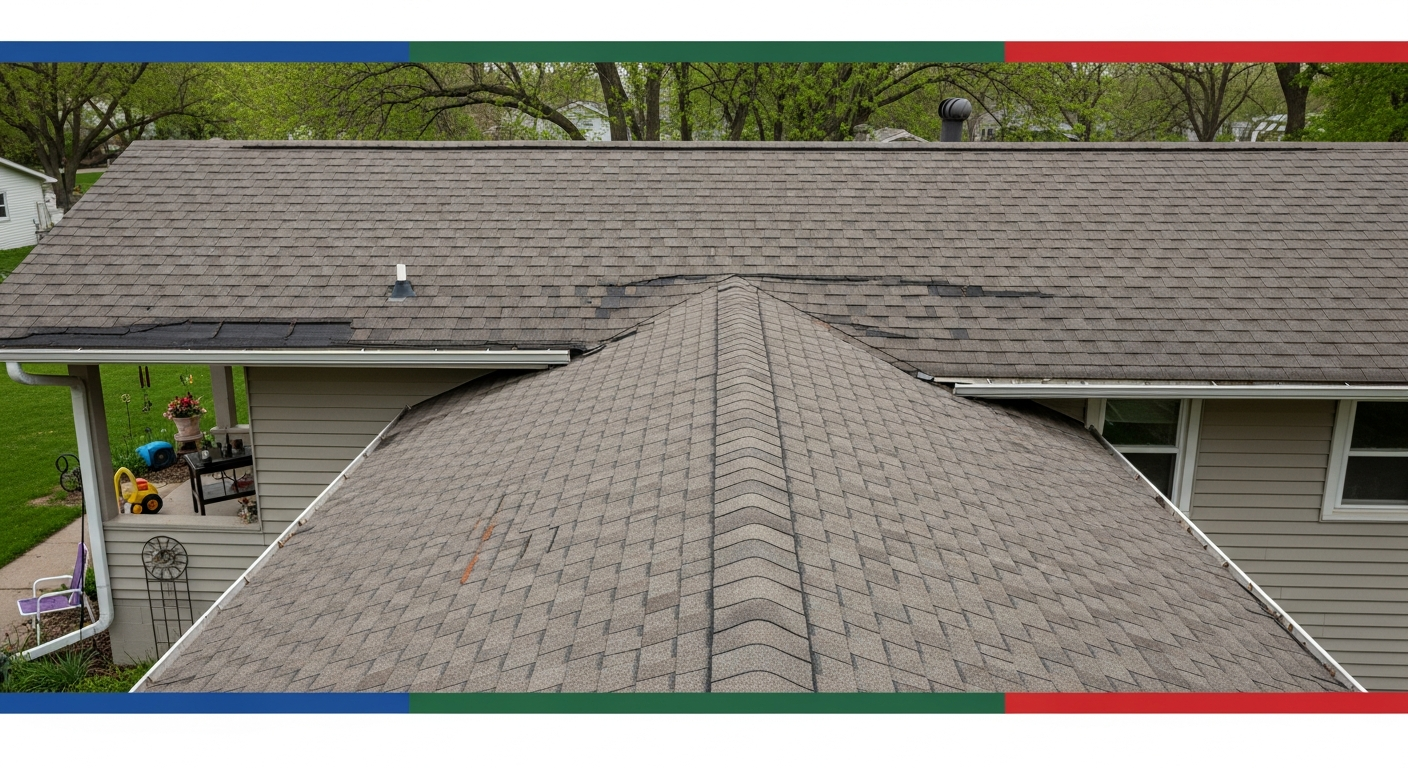
Minnesota's spring humidity creates a biological time bomb on asphalt roofs. NOAA climate data shows relative humidity in south-central Minnesota averages 75-85% during May and June mornings, dropping to only 45-55% by afternoon. This daily moisture cycle feeds algae spores while temperature swings weaken shingle defenses.
Algae organisms, primarily Gloeocapsa magma, thrive in temperatures between 70-90°F with high moisture content. These bacteria colonies produce dark pigments to protect themselves from UV rays, creating the black streaking homeowners notice. As colonies expand, they retain moisture against shingle surfaces for extended periods, preventing proper drying cycles that healthy roofs need.
The process accelerates exponentially once established. A single algae colony can double in size every 72 hours under optimal conditions. When combined with moss growth, which creates physical root systems that penetrate between granules, the biological assault can reduce shingle life by 40-60% according to Asphalt Roofing Manufacturers Association studies.
Hanska's Climate Challenges for Roof Maintenance
Hanska sits in a microclimate zone where warm, moist air from agricultural areas meets urban heat retention, creating extended humidity periods that exceed regional averages. The town's position in the Minnesota River valley system traps humid air during calm weather patterns common in late spring.
Local housing stock adds complexity to the problem. Homes along Hanska's tree-lined residential streets, particularly in the established neighborhoods near the school district, feature mature oak and maple canopies that block direct sunlight. These shaded areas maintain soil moisture levels 20-30% higher than open areas, feeding humidity that rises to roof level during warm afternoons.
The agricultural landscape surrounding Hanska contributes additional moisture through crop transpiration. University of Minnesota Extension data indicates corn and soybean fields can release 3,000-4,000 gallons of water per acre daily during peak growing season. This agricultural humidity combines with natural morning dew to create extended moisture exposure on roof surfaces.
Hanska's predominant wind patterns from the southwest carry this agricultural moisture directly over residential areas during afternoon hours when temperatures peak. Properties in newer subdivisions on the town's eastern edge experience less severe problems due to reduced tree coverage and better air circulation.
Signs of Roof Algae Damage Hanska Homeowners Miss
<!-- writeos:image:process -->
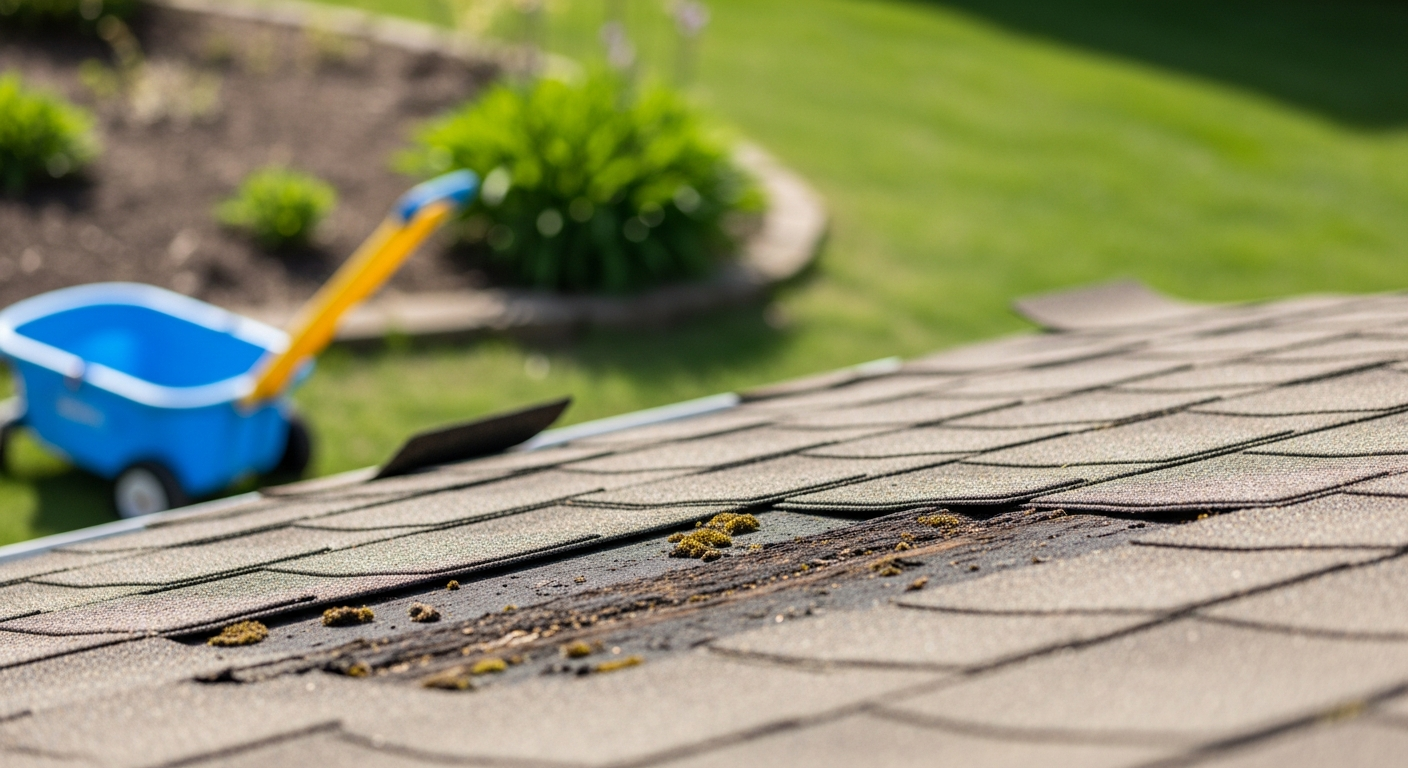
Most Hanska residents focus on obvious black streaking but miss early warning signs that indicate deeper problems. Granule accumulation in gutters often appears months before visible surface staining. These mineral granules protect asphalt from UV damage, and their premature loss accelerates shingle aging.
Subtle color variations across roof sections signal algae establishment. North-facing slopes and areas under tree coverage develop slight gray or brown tinting before black streaks appear. This discoloration indicates bacterial colonies are producing protective pigments and establishing root systems between granules.
Roof surfaces that feel softer underfoot during inspections show advanced organic damage. Healthy asphalt shingles maintain firm texture, while algae and moss infiltration creates spongy areas where biological growth has penetrated the protective surface layer.
Roof Cleaning vs Rejuvenation: Long-Term Solutions
<!-- writeos:image:outcome -->
Traditional roof cleaning removes visible growth but doesn't address underlying shingle damage that made organic establishment possible. Pressure washing strips protective granules and creates microscopic surface roughness that accelerates future algae attachment. Chemical treatments kill existing growth but leave dead organic matter that decomposes and feeds new colonies.
Roof rejuvenation addresses the root cause by restoring shingle flexibility and granule adhesion that prevents organic infiltration. Roof Rejuvenate MN's corn-based treatment penetrates asphalt binder layers to reverse chemical breakdown caused by UV exposure and moisture cycles. The bio-based formula restores oils that keep granules firmly attached while creating surfaces less hospitable to organic growth.
A Hanska homeowner near the community center discovered this difference when comparing quotes for their 15-year-old roof. Initial cleaning estimates removed visible algae streaking for $800-1,200, but growth returned within 18 months. Rejuvenation treatment cost $2,400 but included restoration of granule adhesion and UV protection that prevented new organic establishment for over three years.
The rejuvenation process includes detailed assessment of moisture infiltration points around flashings, vents, and valleys where organic growth typically begins. Team members identify and address these vulnerable areas before applying the corn-based treatment, creating comprehensive protection against future biological damage.
Extend Roof Life: Prevention Strategies
Effective prevention requires understanding local moisture patterns and building characteristics. Properties with southern exposure and minimal tree coverage naturally resist organic growth through increased UV exposure and better air circulation. However, most Hanska homes feature mature landscaping that requires active management strategies.
Strategic tree trimming improves roof ventilation while maintaining property aesthetics. Removing branches within eight feet of roof surfaces eliminates direct organic debris deposits while allowing sufficient airflow to promote drying cycles. Focus trimming efforts on north-facing roof sections where growth typically establishes first.
Gutter maintenance prevents moisture accumulation that feeds airborne spores settling on roof surfaces. Clean gutters every spring and fall, paying attention to downspout drainage that could splash back onto lower roof sections. Install gutter guards in areas with heavy leaf coverage to maintain water flow during peak growing seasons.
The comprehensive approach includes annual roof inspections timed for late winter when organic growth is dormant but visible. Early detection allows targeted treatment before biological colonies establish extensive root systems that require aggressive removal methods damaging to shingle integrity.
Roof Rejuvenate MN's preventive maintenance programs include application of their bio-based treatment before organic establishment occurs. This proactive approach costs 60% less than remedial treatment after algae and moss damage shingle surfaces and granule layers.
If you're noticing the first signs of organic growth on your Hanska roof, addressing the problem now prevents extensive damage during peak summer growing season. Visible algae represents advanced colonization - the biological process begins months earlier with microscopic spore establishment that thrives in the area's agricultural humidity patterns.
Contact Roof Rejuvenate MN for a detailed roof assessment that identifies vulnerable areas before they become expensive problems. Their corn-based treatment specifically addresses Minnesota's climate challenges while extending roof life through restored granule adhesion and UV protection. Learn more about their lab-tested approach to preventing organic growth establishment.
Frequently Asked Questions
<!-- writeos:image:human-element -->
How quickly does roof moss and algae spread during Hanska's humid summer months?
Established algae colonies double in size every 72 hours when temperatures stay between 75-85°F with morning humidity above 70%. Hanska's agricultural microclimate creates these conditions consistently from June through August, meaning visible streaking can expand across entire roof sections within 4-6 weeks. Moss growth follows similar patterns but requires 3-4 months to develop visible thickness that begins lifting granules from shingle surfaces.
What makes Hanska roofs more susceptible to organic growth than other Minnesota communities?
Hanska's location in agricultural areas creates elevated humidity from crop transpiration that can add 15-20% moisture to ambient air during peak growing season. The town's mature tree coverage and position in the Minnesota River valley system trap this humid air during calm weather patterns. Combined with predominant southwest winds that carry agricultural moisture over residential areas, Hanska experiences extended daily humidity cycles that keep organic spores active longer than in urban or prairie locations.
Can roof rejuvenation prevent future moss and algae problems better than cleaning?
Rejuvenation treats the underlying shingle deterioration that allows organic establishment while cleaning only removes visible growth. The corn-based treatment restores granule adhesion that creates smooth surfaces resistant to spore attachment, while chemical cleaning can strip protective granules and create surface roughness that accelerates future growth. Roof Rejuvenate MN's bio-based formula also restores UV protection that prevents the shingle softening that moss roots exploit for penetration, providing 3-5 years of protection compared to 12-18 months for cleaning alone.
Comments