
Lewisville, MN Homeowners: Your Pre-Summer Roof Checklist for Minnesota's Severe Storm Season

Minnesota's late spring brings unique challenges to homes across Lewisville, from the older ranch-style houses near Highway 60 to the newer developments along County Road 15. After another harsh winter of freeze-thaw cycles, roofs throughout Watonwan County show signs of stress that many homeowners miss until summer storms expose the damage. Roof Rejuvenate MN has spent over six years helping southeastern Minnesota homeowners prepare their asphalt shingles for the severe weather season using proven bio-based restoration methods.
What to Do for Pre-Summer Roof Preparation in Lewisville
Walk around your property on a clear day and photograph any visible granule loss, curled edges, or dark streaks on shingles
Check gutters and downspouts for excessive granules, which indicate accelerated shingle breakdown from winter weather
Schedule a professional inspection before May storms arrive, as most roofing contractors get booked solid after the first hail event
Document your roof's current condition with photos for insurance purposes before storm season peaks in June and July
Consider bio-based shingle rejuvenation if your roof is 8-15 years old, as this treatment costs around 15% of full replacement
Clear overhanging branches within 10 feet of your roofline to prevent wind damage during summer thunderstorms
Why Minnesota's Climate Demands Pre-Summer Roof Assessment
<!-- writeos:image:in-context -->
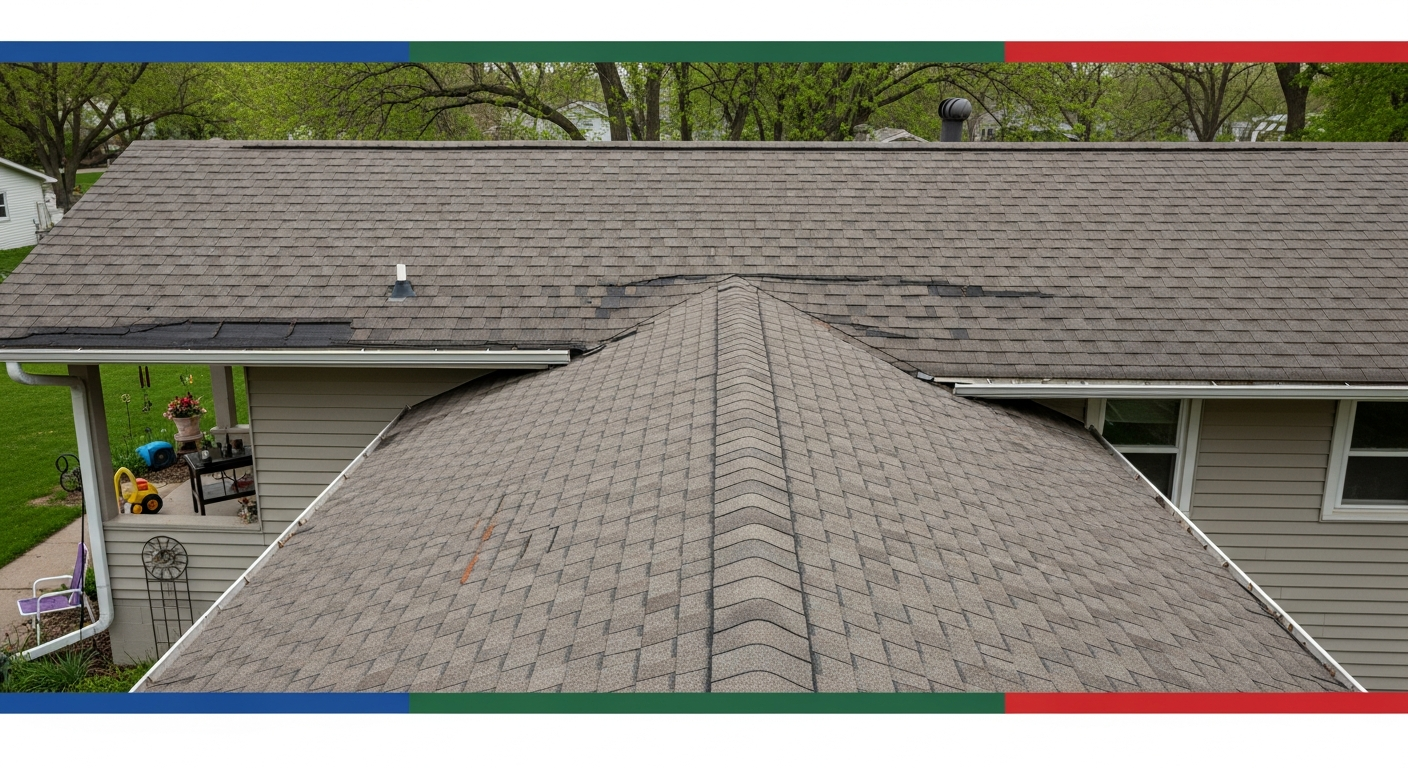
Winter's freeze-thaw cycles create microscopic damage in asphalt shingles that becomes critical during summer storms. When temperatures drop below 32°F and rise above freezing repeatedly, the asphalt base in shingles contracts and expands, breaking down the chemical bonds that keep them flexible. NOAA weather data shows the Twin Cities region averages 40-50 freeze-thaw cycles per winter, with southern Minnesota communities like Lewisville experiencing similar patterns.
This molecular breakdown reduces your shingles' ability to shed water effectively and makes them vulnerable to wind uplift during severe thunderstorms. The National Weather Service Storm Prediction Center reports that Minnesota averages 45 tornadoes annually, with peak activity from May through August. Weakened shingles that survived winter often fail completely when summer's combination of high winds, hail, and thermal stress hits.
Research from the Asphalt Roofing Manufacturers Association indicates that shingles lose approximately 30% of their protective oils within the first 10 years of installation. In Minnesota's climate, this degradation accelerates due to extended UV exposure during long summer days and the constant expansion-contraction cycle.
Lewisville's Local Factors That Affect Roof Performance
Lewisville sits in south-central Minnesota's agricultural belt, where wide-open prairie landscape offers little protection from severe weather systems moving northeast from Iowa and Kansas. The Minnesota Department of Natural Resources climate data shows this region receives 28-32 inches of precipitation annually, with 60% falling between April and September as intense thunderstorms.
Homes in Lewisville's older neighborhoods near downtown experience different challenges than properties in the newer subdivisions south of Highway 60. The mature trees around Railroad Avenue and Main Street provide some wind protection but drop debris that clogs gutters and retains moisture against shingle edges. Meanwhile, the exposed locations in Prairie View and Sunset Ridge developments face direct wind exposure but benefit from better drainage around newer construction.
Watonwan County's clay-rich soils, formed by glacial deposits, create unique foundation settling patterns that can stress roof structures over time. The Minnesota Geological Survey identifies this area's subsurface as Quaternary glacial drift up to 200 feet thick, which shifts during freeze-thaw cycles and affects how homes settle. This geological movement puts additional stress on roofing systems already weakened by weather exposure.
Local building patterns also influence roof longevity. Many Lewisville homes built in the 1970s and 1980s used three-tab shingles, which Minnesota building codes no longer allow in southern counties due to wind resistance requirements. These older installations often show premature granule loss and edge curling that accelerates during spring temperature swings. The newer architectural shingles in developments like Countryside Addition perform better but still require proactive maintenance after 8-10 years of Minnesota weather exposure.
Minnesota Summer Storm Damage Warning Signs
<!-- writeos:image:process -->
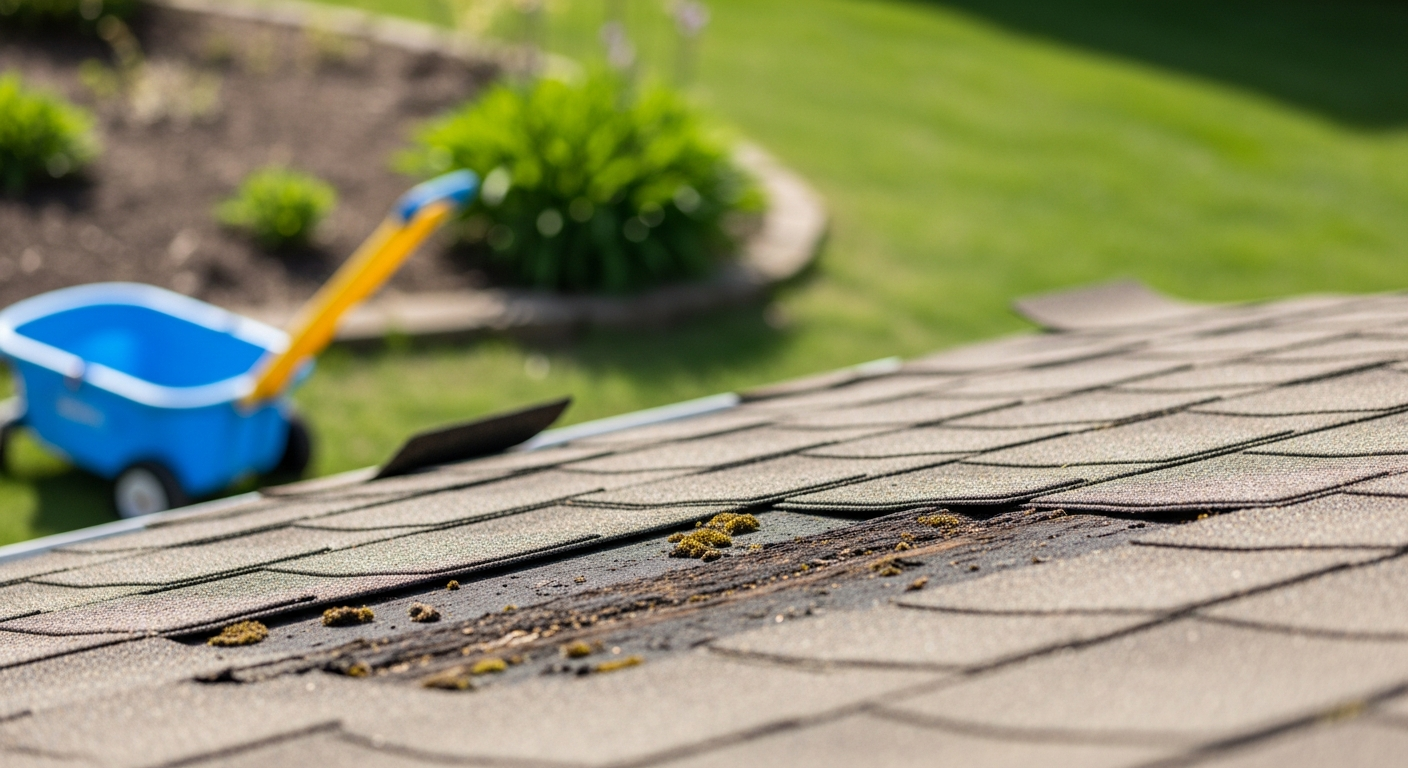
Spring inspections reveal specific damage patterns that predict summer storm failures. Look for granule loss that appears as dark patches or streaks on your shingles, particularly on south and west-facing slopes that receive maximum UV exposure. When granules wash into gutters faster than normal, the protective layer is breaking down and leaving the asphalt base vulnerable to thermal damage during hot summer days.
Shingle edges that curl upward or downward indicate the asphalt has lost flexibility from repeated freeze-thaw stress. These compromised areas act like sails during high winds, creating uplift forces that can tear entire sections loose during severe thunderstorms. The Insurance Institute for Business & Home Safety testing shows that wind speeds of just 45 mph can remove shingles that have lost their flexibility, well below the 70+ mph winds common in Minnesota supercells.
Asphalt Shingle Storm Preparedness Through Rejuvenation
<!-- writeos:image:outcome -->
Traditional roof maintenance focuses on reactive repairs after damage occurs, but Roof Rejuvenate MN's approach addresses the molecular breakdown before it leads to failures. Their 95% USDA Certified bio-based treatment penetrates deep into the asphalt base to restore the chemical bonds that provide flexibility and weather resistance. Unlike surface coatings that wash away, this corn-based formula integrates with the existing shingle material to reverse years of oxidation damage.
The treatment works by replenishing the protective oils that evaporate over time, restoring the shingle's ability to expand and contract without cracking. This process also improves granule adhesion, reducing the granule loss that leaves shingles vulnerable to UV damage and thermal stress. The bio-based formula creates an environment where algae, moss, and mold struggle to establish, addressing the dark streaking that affects many Lewisville roofs in shaded areas.
One recent customer in nearby St. James contacted Roof Rejuvenate MN about their 12-year-old roof that showed significant granule loss and curling. Rather than replacing a structurally sound roof system, the rejuvenation treatment restored the shingles' weather resistance for approximately 15% of replacement cost. The homeowner noted improved appearance and performance through the following storm season, with the treatment's 5-year transferable warranty providing long-term protection value.
Roof Rejuvenation Storm Protection Benefits
The molecular restoration process specifically addresses Minnesota's climate challenges by rebuilding the asphalt's resistance to freeze-thaw damage. The treatment's corn-based formula maintains flexibility at low temperatures while providing enhanced UV protection during summer's intense sun exposure. This dual protection proves especially valuable in Lewisville's variable climate, where spring days can swing from freezing mornings to 70°F afternoons.
Testing shows rejuvenated shingles demonstrate improved wind resistance compared to untreated aging shingles, as the restored flexibility allows them to bend with wind forces rather than cracking under stress. This enhanced performance becomes critical during Minnesota's severe weather season, when straight-line winds often exceed 60 mph and hail damage depends partly on the shingle's ability to absorb impact without fracturing.
The treatment's all-natural, non-toxic formulation provides environmental benefits that matter to Lewisville's agricultural community. Unlike petroleum-based roof treatments, the USDA BioPreferred certified product won't contaminate runoff water that flows into local storm systems and eventually reaches the Cottonwood River watershed.
Getting your Lewisville roof ready for summer storms requires understanding how Minnesota's unique climate affects asphalt shingles and taking proactive steps before severe weather arrives. The combination of freeze-thaw damage, intense UV exposure, and frequent severe thunderstorms creates challenges that traditional maintenance approaches often miss until expensive failures occur. Consider scheduling a free roof assessment to evaluate whether bio-based rejuvenation can extend your roof's service life and improve its storm resistance. Contact Roof Rejuvenate MN before peak storm season to ensure your home is protected when severe weather inevitably arrives.
Frequently Asked Questions
<!-- writeos:image:human-element -->
How early should I complete my pre-summer roof checklist in Lewisville MN?
Complete your roof inspection and any necessary treatments by early May, before Minnesota's peak storm season begins in late May and June. Roof Rejuvenate MN typically schedules spring assessments between late March and early May, allowing time for treatments to cure before severe weather arrives. The bio-based rejuvenation process requires dry conditions for optimal penetration, making April and early May ideal application windows in southern Minnesota.
What specific storm damage should Lewisville homeowners watch for after Minnesota winters?
Look for granule accumulation in gutters, shingle edges that curl up or down, and dark streaks indicating algae growth in moisture-retentive areas. Minnesota's 40-50 annual freeze-thaw cycles cause microscopic cracking that accelerates granule loss and reduces wind resistance. Homes in Lewisville's exposed prairie locations often show more UV-related granule loss on south and west-facing slopes, while properties near mature trees may develop organic growth issues from trapped moisture and debris.
How does roof rejuvenation compare to traditional repairs for pre-storm preparation in Minnesota?
Roof rejuvenation addresses the underlying molecular breakdown that causes storm damage, while traditional repairs only fix symptoms after failures occur. The bio-based treatment restores shingle flexibility and granule adhesion throughout the entire roof system, providing comprehensive protection against Minnesota's severe weather patterns. At approximately 15% of replacement cost, rejuvenation offers better value than piecemeal repairs for roofs showing widespread aging, especially when combined with the treatment's 5-year transferable warranty protection.
Comments