
Garden City, MN Homeowners: How Hidden Spring Moisture Accelerates Roof Decking Rot Before Summer Heat

Garden City homeowners often don't realize their roof decking is rotting until summer heat amplifies the damage started by hidden spring moisture. The saturated conditions from melting snow and April rain create perfect environments for wood rot that accelerates once temperatures climb. Roof Rejuvenate MN has documented this pattern across south-central Minnesota over six years of serving the region, finding that early detection saves homeowners thousands in structural repairs.
What to Do About Hidden Roof Decking Rot in Garden City
Check your attic for moisture stains or musty odors after spring thaws and heavy rains
Look for sagging ceiling areas or water rings around light fixtures and vents
Inspect fascia boards and soffits for soft spots or dark discoloration from ground level
Schedule professional roof inspection before summer heat accelerates existing rot damage
Document any suspicious areas with photos for insurance claims if structural damage is found
Address ventilation issues immediately to prevent moisture buildup in attic spaces
How Spring Moisture Creates Wood Rot Conditions

Hidden roof decking rot Garden City MN spring conditions develop when moisture penetrates aging shingles and gets trapped beneath the roofing system. Minnesota's freeze-thaw cycles create micro-cracks in asphalt shingles, allowing water infiltration that homeowners can't see from ground level. Once moisture reaches the wood decking, temperatures between 40-90°F provide ideal conditions for fungal growth that breaks down wood fibers.
According to the Forest Products Laboratory, wood rot fungi require moisture content above 20% to survive and thrive. Garden City's spring weather patterns, with average April precipitation of 2.8 inches and May rainfall of 3.4 inches based on NOAA climate data, create sustained moisture conditions when combined with poor attic ventilation. The rot process accelerates exponentially once summer temperatures rise above 80°F, turning minor moisture issues into major structural problems.
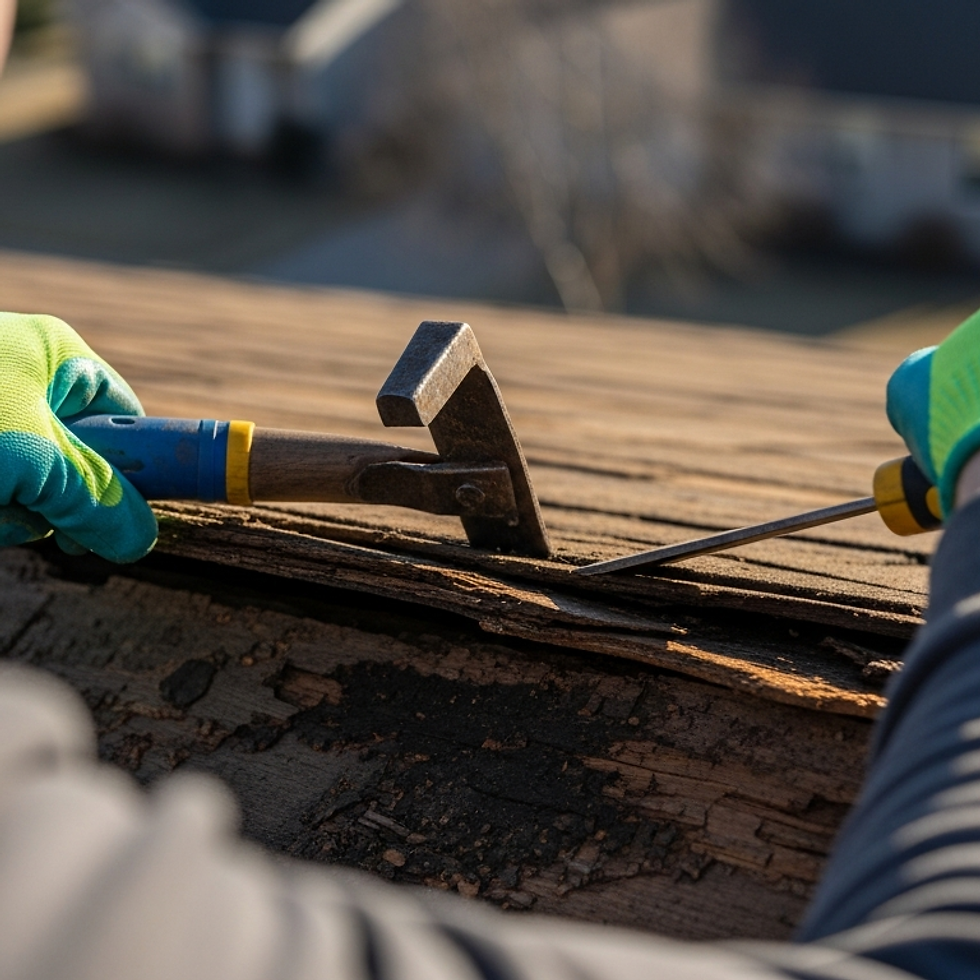
Wood rot functions like a slow leak in your plumbing - you don't notice the damage until it becomes serious. The fungi that cause rot release enzymes that literally digest the cellulose and lignin in wood, leaving behind a soft, spongy material that can't support structural loads.
Garden City's Climate Amplifies Spring Roof Damage

Garden City's location in Martin County creates specific conditions that worsen spring roof damage signs Garden City residents should understand. The area's clay-rich soils retain moisture longer than sandy regions, creating higher humidity levels that slow moisture evaporation from roofing systems. Spring temperatures in Garden City typically fluctuate between freezing and 60°F through April, creating repeated expansion and contraction cycles that stress aging shingles.
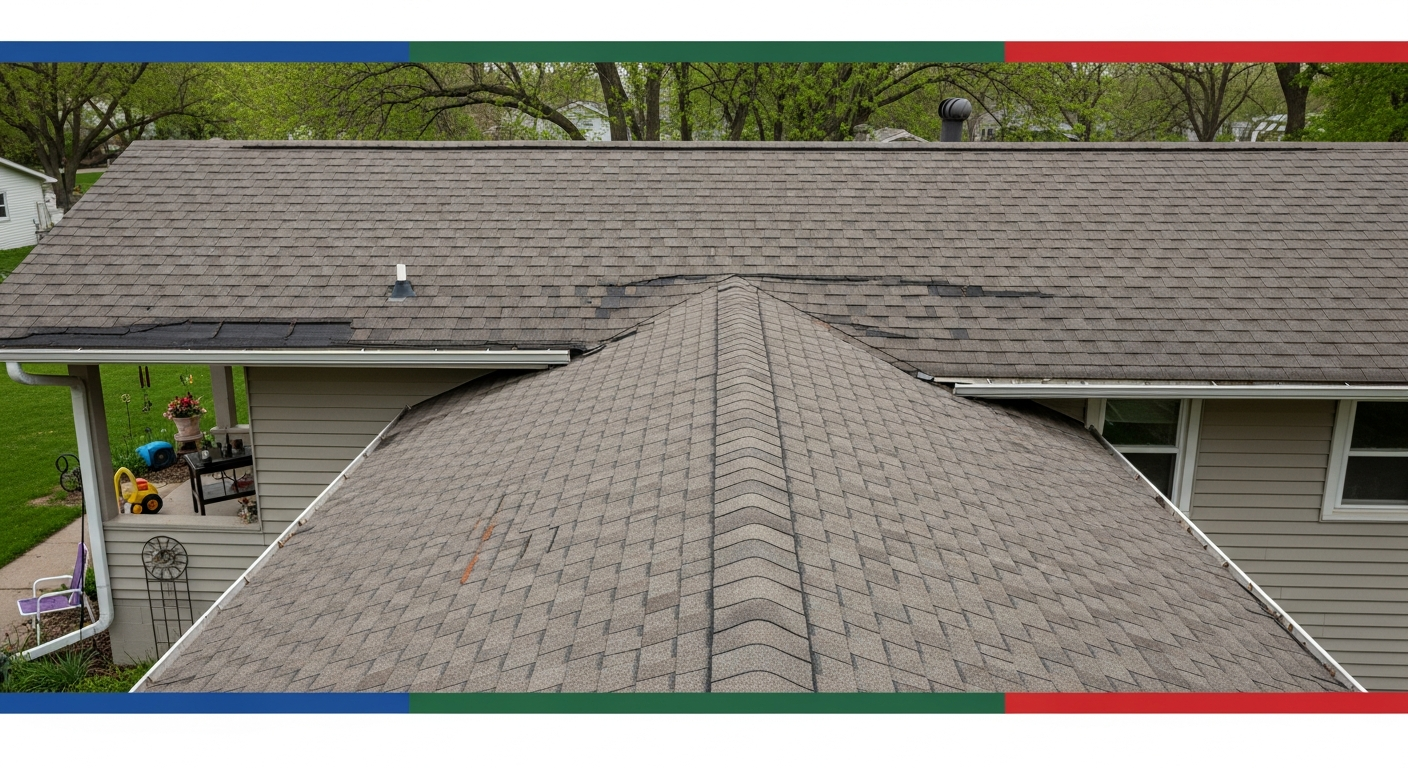
Local housing stock built between 1950-1980 in neighborhoods like the areas around Elm Street and the residential sections near Highway 4 often feature inadequate attic ventilation by today's standards. These homes rely on gable vents or small ridge vents that don't provide sufficient air circulation to remove moisture-laden air. The older ranch-style homes common in Garden City's western residential areas typically have low-pitched roofs that shed water more slowly, increasing the time moisture has to penetrate compromised shingles.
Garden City Lake's proximity affects local humidity levels, particularly during spring when warming water temperatures increase evaporation. Properties within a half-mile of the lake, including homes along Lakeshore Drive and the nearby residential streets, experience higher ambient moisture that prolongs drying times after precipitation events. The prevailing southwest winds common in spring carry this moisture-laden air across Garden City's residential neighborhoods, creating microclimate conditions that favor mold and rot development.
Minnesota's building codes require vapor barriers and proper ventilation, but homes built before 1990 often lack adequate moisture management systems. The combination of older construction methods and Garden City's specific climate creates perfect conditions for attic moisture roof damage MN homeowners face each spring.
Warning Signs of Accelerating Roof Rot
Spring roof damage signs Garden City homeowners should watch for include water stains that appear and disappear with weather patterns, indicating active moisture infiltration. Fresh water marks around chimneys, vent penetrations, or along exterior walls signal ongoing leaks that create wood rot conditions. The musty smell that develops in bedrooms or hallways near exterior walls often indicates hidden moisture problems in wall cavities or roof structures.
Soft spots in fascia boards or trim around the roofline indicate advanced wood rot that has progressed beyond surface moisture damage. You can test suspicious areas by pressing gently with a screwdriver - healthy wood resists penetration while rotted wood allows the tool to sink in easily. Sagging gutters or downspouts pulling away from the house often signal that the fascia boards supporting them have weakened due to moisture damage.
Professional Assessment Prevents Costly Damage

Roof Rejuvenate MN's approach to addressing wood rot roof repair Minnesota situations begins with comprehensive moisture detection using thermal imaging cameras that reveal temperature variations indicating water infiltration. Their team identifies moisture entry points that visual inspections miss, including nail penetrations where sealant has failed and flashing areas where thermal expansion has created gaps.
The company's systematic inspection process documents moisture levels in attic spaces and identifies ventilation deficiencies that contribute to condensation problems. They use moisture meters to measure wood content levels and determine whether rot has progressed to structural damage requiring replacement or if early-stage damage can be treated and prevented from spreading.
One Garden City homeowner contacted Roof Rejuvenate MN after noticing water stains in their bedroom ceiling each spring. The inspection revealed that ice dam damage from previous winters had created small gaps in the shingles that allowed moisture infiltration during spring rains. The corn-based rejuvenation treatment sealed these micro-gaps while improving the shingles' flexibility to prevent future thermal stress damage. The homeowner avoided a $12,000 roof replacement by addressing the problem before summer heat accelerated the rot process.
The company's USDA Certified Bio-Based rejuvenation product creates an environment less favorable to mold and fungal growth while restoring the shingles' ability to shed water effectively. This preventive approach addresses the root cause of moisture infiltration rather than just treating symptoms.
Garden City homeowners dealing with hidden spring moisture issues need professional assessment before summer temperatures create irreversible damage. Roof Rejuvenate MN's roof inspection services provide detailed documentation of moisture entry points and structural conditions that help homeowners make informed decisions about repairs versus replacement. Their corn-based rejuvenation treatment offers a cost-effective solution to prevent roof rot Minnesota summer heat would otherwise accelerate.
Don't wait until visible damage appears - spring moisture problems compound quickly once temperatures rise. Contact Roof Rejuvenate MN for a comprehensive assessment that identifies hidden issues before they become expensive structural repairs.
Frequently Asked Questions
How long does it take for spring moisture to cause visible roof decking rot in Garden City homes?
Wood rot fungi typically establish within 2-4 weeks of sustained moisture exposure above 20% wood content. In Garden City's spring climate, visible rot damage usually appears 60-90 days after initial moisture infiltration, but the process accelerates rapidly once summer temperatures exceed 80°F. Homes built before 1980 with inadequate ventilation may show damage within 30-45 days due to poor moisture management systems.
Can roof rejuvenation prevent roof inspection for rot Garden City homeowners need annually?
Roof rejuvenation significantly reduces moisture infiltration by sealing micro-cracks and improving shingle flexibility, but annual inspections remain important for identifying new damage from storms or thermal stress. Garden City's freeze-thaw cycles and proximity to the lake create ongoing moisture challenges that require monitoring. Professional inspections catch problems in early stages when rejuvenation can still prevent structural damage.
What's the cost difference between treating early spring moisture damage versus waiting until summer rot appears?
Early intervention through professional assessment and rejuvenation typically costs $2,000-4,000 for an average Garden City home, while structural rot repair requiring decking replacement ranges from $8,000-15,000 depending on damage extent. Summer heat accelerates rot exponentially - damage that develops slowly over 90 days in spring can double in severity within 30 days of sustained temperatures above 85°F common in Minnesota summers.

Comments