
Darfur, MN Homeowners: How Late Spring's Rapid Temperature Swings & Moisture Weaken Roof Shingles Before June's Severe Storms

Darfur sits in one of Minnesota's most challenging climate zones for asphalt shingles, where late spring's wild temperature swings create serious roof damage before summer's severe weather hits. The rural community in Watonwan County experiences temperature fluctuations of 40-50 degrees within 24-hour periods during April and May, causing shingles to expand and contract repeatedly just as moisture from snowmelt and spring rains saturates roofing materials. Roof Rejuvenate MN has served southeastern Minnesota homeowners for over six years, witnessing firsthand how these late spring conditions set up roofs for major failure when June's hail and wind storms arrive.
What to Do About Late Spring Roof Damage in Darfur
Schedule a professional roof inspection before June 1st to identify thermal stress damage from temperature swings
Check for loose or curling shingles after any day with temperature changes exceeding 30 degrees
Clear gutters and downspouts of debris to prevent water backup during spring storms
Document any visible granule loss or cracking with photos for insurance purposes
Have vulnerable areas like south-facing slopes treated with bio-based rejuvenation before storm season
Monitor attic spaces for condensation buildup during humid spring weather
Minnesota Asphalt Shingle Thermal Stress Patterns

Late spring thermal cycling destroys asphalt shingles through repeated expansion and contraction that breaks down the asphalt matrix. According to NOAA climate data, the Twin Cities region experiences an average of 15 days in May where daily temperature ranges exceed 35 degrees. Darfur's location in south-central Minnesota puts it directly in this pattern, with additional stress from the area's clay-rich glacial soils that retain moisture longer than sandy soils.
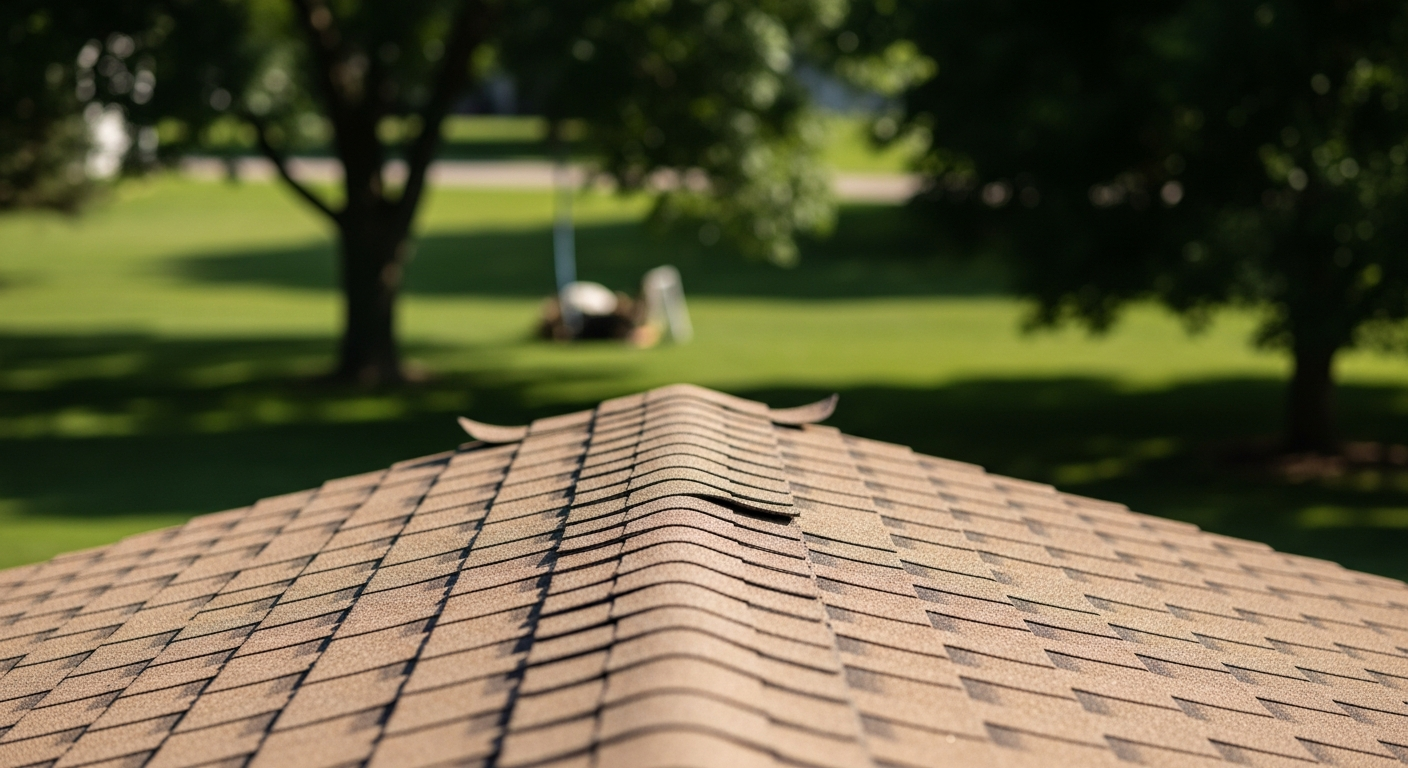
When shingles heat up during 70-degree afternoons and cool to 30 degrees overnight, the asphalt binder contracts faster than the fiberglass mat underneath. This creates micro-fractures that allow moisture penetration during the next day's heating cycle. Think of it like repeatedly flexing a plastic credit card - eventually it snaps at the stress point. The process accelerates when spring moisture from snowmelt or rain gets trapped in these micro-fractures and freezes during late-season cold snaps.
Research from the Asphalt Roofing Manufacturers Association shows that shingles experiencing more than 20 freeze-thaw cycles per season age three times faster than those in stable climates. Darfur typically sees 25-30 such cycles between March and May alone.
Early Summer Storm Preparation in Darfur

Darfur's position in Minnesota's "tornado alley" makes pre-storm roof preparation critical for surviving June through August severe weather. The National Weather Service reports that Watonwan County averages 2.3 tornadoes annually, with peak activity from June 15 through July 30. More concerning for most homeowners are the 40+ severe thunderstorm events each summer, bringing hail larger than quarters and straight-line winds exceeding 70 mph.
Shingles weakened by late spring thermal stress become sitting ducks for these summer storms. A healthy shingle can withstand quarter-sized hail, but one with thermal damage from temperature cycling will crack or puncture from much smaller impacts. The rural areas around Darfur face additional challenges from agricultural dust and pollen that accumulate on roofs during spring, creating abrasive conditions when combined with wind and moisture.
Local building patterns compound the problem. Many homes in the Darfur area were built during the 1970s and 1980s housing boom, when 3-tab shingles were standard. These older shingles are particularly vulnerable to thermal stress because they lack the reinforced backing of modern architectural shingles. The Minnesota Residential Code now prohibits 3-tab shingle installation for re-roofing in southern Minnesota, recognizing their inadequate performance in the state's climate.
Properties along County Road 9 and the areas north toward Highway 60 sit on exposed prairie with minimal windbreak protection. These homes take the full brunt of weather systems moving northeast from South Dakota and Iowa. The combination of thermal-weakened shingles and high wind exposure creates perfect conditions for major roof failure during summer storms.
Signs Your Shingles Are Becoming Brittle
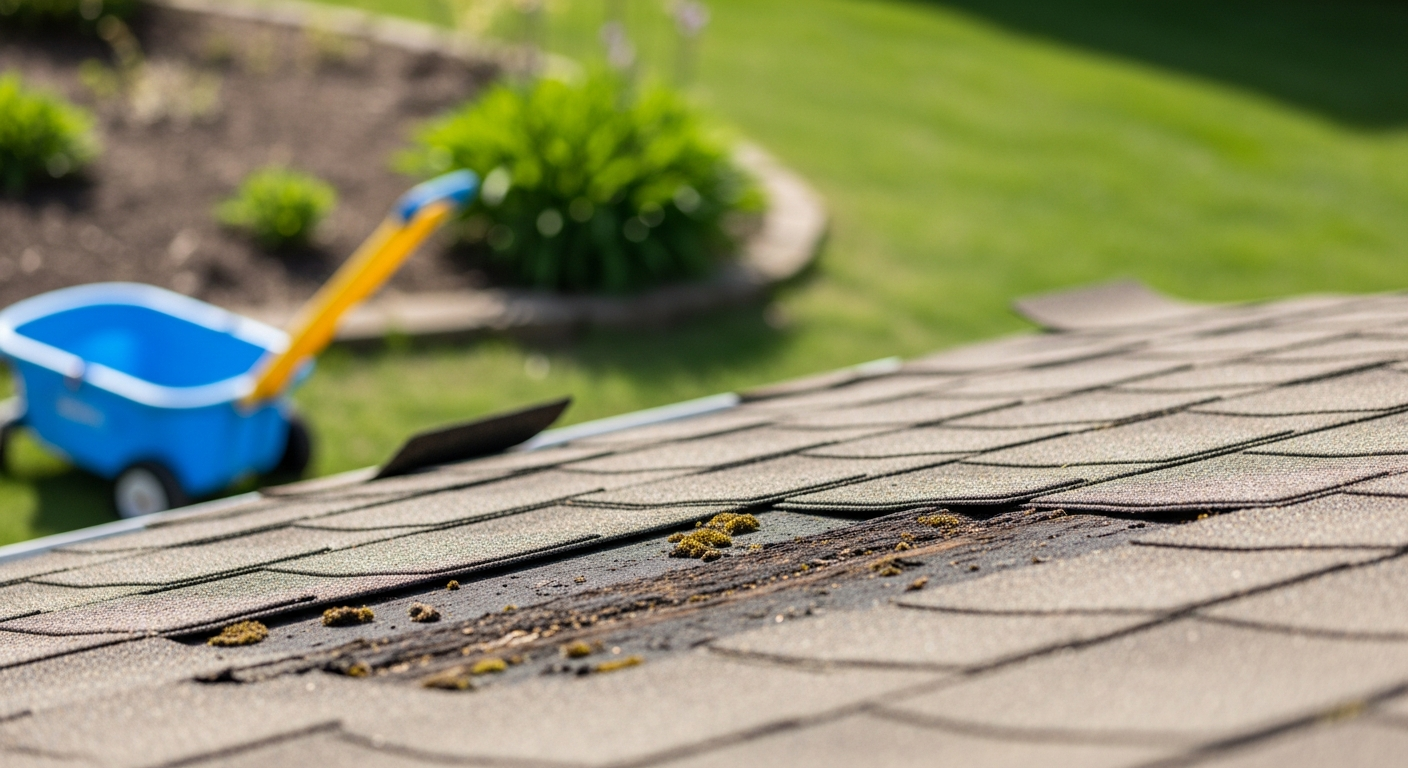
Thermal stress damage shows up in specific patterns that Darfur homeowners can identify with careful observation. Curling shingle edges appear first on south and west-facing slopes where afternoon sun creates the highest temperature differentials. You'll notice the corners lifting away from the roof deck, creating gaps where wind can catch and tear entire shingles loose.
Granule loss accelerates dramatically after thermal cycling events. Check gutters and downspouts after windy days following temperature swings - excessive granules indicate the protective surface layer is separating from the underlying asphalt. On darker shingles, this shows up as lighter streaks or patches where the granule coating has worn thin. The exposed asphalt underneath deteriorates rapidly under UV exposure, leading to complete shingle failure within months.
Roof Rejuvenate MN's service calls in the Darfur area consistently reveal thermal stress patterns that homeowners miss during casual inspections. Micro-cracking along shingle seams becomes visible only from close examination, but these hairline fractures allow moisture penetration that freezes and expands the damage during the next cold snap.
Professional Roof Inspections in Watonwan County

Professional roof inspections during April and May provide the only reliable method for identifying thermal stress damage before it becomes major. Roof Rejuvenate MN's inspection protocol specifically targets the subtle signs of temperature-related deterioration that untrained eyes miss. Their team uses moisture meters to detect water penetration in shingle layers and thermal imaging to identify areas where repeated heating and cooling have compromised the roof's integrity.
The company's 95% USDA Certified Bio-Based rejuvenation treatment addresses thermal stress damage at the molecular level, restoring flexibility to brittle asphalt and improving granule adhesion. Unlike roof coatings that simply cover problems, the corn-based formula penetrates deep into shingle layers to replenish oils lost during thermal cycling. This treatment proves particularly effective for Darfur's climate because it helps shingles withstand the continued temperature fluctuations that characterize Minnesota summers.
One recent customer review highlighted their experience with a 1980s ranch home near the Darfur Community Center. The homeowner noticed minor granule loss in gutters but couldn't see obvious damage from ground level. Roof Rejuvenate MN's inspection revealed extensive thermal stress cracking on the south-facing slope that would have led to major leaks during the first severe storm. The bio-based treatment restored shingle flexibility and prevented a $15,000 roof replacement.
The treatment creates an environment where mold, moss, and algae struggle to establish themselves, addressing another common problem in Darfur's humid spring conditions. This comprehensive approach to roof maintenance and rejuvenation extends shingle life by an average of 15 years, making it a cost-effective alternative to premature replacement.
Homeowners in Darfur should prioritize spring roof inspections given the area's extreme weather patterns and aging housing stock. The window between thermal damage development and summer storm season provides a critical opportunity for preventive treatment. Contact Roof Rejuvenate MN for a comprehensive evaluation that addresses both visible damage and hidden deterioration from temperature cycling.
Their science-backed approach to shingle restoration has helped hundreds of southeastern Minnesota homeowners avoid premature roof replacement. The 5-year transferable warranty provides additional protection for homeowners planning to sell or refinance their properties.
Frequently Asked Questions

How quickly can thermal stress damage develop on Darfur roofs during spring?
Thermal stress damage accumulates rapidly during Minnesota's spring temperature swings, with noticeable deterioration possible after just 5-7 major cycling events. Darfur's location exposes roofs to some of the state's most extreme daily temperature ranges, often seeing 40+ degree swings between morning lows and afternoon highs. Shingles expand and contract with each cycle, creating micro-fractures that compound with each subsequent temperature change. Homes with south and west-facing exposures show damage first, typically within 3-4 weeks of consistent spring weather patterns.
What makes Darfur's climate particularly hard on asphalt shingles compared to other Minnesota locations?
Darfur sits in south-central Minnesota's agricultural belt, where lack of forest cover creates extreme temperature differentials and high wind exposure. The area's clay-rich soils retain moisture longer than sandy regions, creating humid conditions that worsen thermal cycling damage. Additionally, Darfur experiences more frequent temperature inversions due to its prairie location, causing rapid heating and cooling cycles that stress roofing materials. The combination of agricultural dust, high humidity, and extreme temperature swings creates uniquely challenging conditions for asphalt shingles.
When should Darfur homeowners schedule roof inspections to catch thermal damage before storm season?
The optimal inspection window runs from April 15 through May 15, after most freeze-thaw cycles but before severe storm season peaks in June. This timing allows identification of thermal stress damage while providing adequate time for treatment before summer weather arrives. Roof Rejuvenate MN recommends scheduling inspections after any week with three or more days of 30+ degree temperature swings, as these events typically trigger visible damage in already-compromised shingles. Early detection and treatment through bio-based rejuvenation can prevent major failure during Watonwan County's intense summer storm season.

Comments