
Ormsby, MN Homeowners: How Summer Humidity & Heat Destroy Shingle Flexibility Before Hail Season Hits

Updated: May 21
Summer in Ormsby brings more than just heat waves to your roof – it delivers a one-two punch that leaves asphalt shingles brittle and vulnerable before Minnesota's notorious hail season arrives. The combination of 85-degree days and 70%+ humidity levels that settle over Watonwan County creates the perfect storm for asphalt shingle flexibility loss. Roof Rejuvenate MN has tracked this pattern across southeastern Minnesota for over six years, watching homeowners discover cracked, curled shingles just weeks before severe weather hits.
What to Do About Summer Shingle Damage in Ormsby
Walk your property perimeter in early morning when granules show up clearly on gutters and sidewalks
Check south and west-facing roof sections where afternoon sun hits hardest between 2-5 PM
Document any shingle edges that appear lifted or curled using your phone's timestamp feature
Schedule a professional assessment before August when hail season peaks in Watonwan County
Remove debris from gutters that could trap moisture against roof edges
Consider bio-based rejuvenation treatment if your roof is 8+ years old and showing flexibility loss
How Heat and Humidity Destroy Shingle Flexibility

Minnesota's summer climate creates a destructive cycle that most Ormsby homeowners don't recognize until damage appears. When temperatures hit the mid-80s with humidity above 65%, asphalt shingles experience rapid oil evaporation – the petroleum-based compounds that keep them flexible literally cook out under sustained heat. NOAA weather data shows Watonwan County averages 45 days above 80 degrees with high humidity between June and August.
This oil loss happens at the molecular level. Think of it like a leather jacket left in a hot car – the natural oils dry out, making the material stiff and prone to cracking. Asphalt shingles lose approximately 30-40% of their original flexibility after just five years of Minnesota weather cycles, according to PRI Asphalt Technologies testing.
Humidity makes the problem worse in unexpected ways. While you'd think moisture would help, it actually creates temperature fluctuations that stress the shingle matrix. Morning dew followed by afternoon heat creates expand-contract cycles that work like repeatedly bending a plastic ruler until it snaps.
Ormsby Roof Damage Heat Patterns
Ormsby roof damage follows predictable patterns based on the town's position in south-central Minnesota's agricultural belt. Homes along the south side of town, particularly those built in the 1990s and 2000s development phases, face direct exposure to prevailing southwest winds that carry additional heat from surrounding cornfields. These agricultural areas create what meteorologists call "heat islands" – zones where temperatures run 3-5 degrees hotter than wooded areas.
The flat terrain around Ormsby offers little natural shade protection. Unlike homeowners in heavily wooded areas of Watonwan County, Ormsby residents deal with full sun exposure from sunrise to sunset during peak summer months. Minnesota State Climatology Office data confirms that communities in agricultural settings experience more intense UV radiation and sustained heat exposure.
Local building patterns compound the problem. Many Ormsby homes feature simple gable or hip roof designs that maximize surface area exposed to direct sunlight. The architectural shingle styles popular during the town's growth periods – particularly dimensional shingles with raised tabs – create additional surface area that traps heat.
Wind patterns also play a role. Ormsby sits in an area where summer storms approach from the southwest, bringing hot, dry air across farmland before hitting residential areas. This creates sustained periods of hot, moving air that accelerates moisture evaporation from shingle surfaces.
Granule Loss Warning Signs in Minnesota's Humid Climate

Granule loss in Minnesota's humid climate creates specific visual markers that Ormsby homeowners can identify before major damage occurs. The most obvious sign appears in your gutters and around downspouts – collections of small, sand-like particles that wash off shingles during summer thunderstorms. Fresh shingles shed minimal granules, but heat-stressed shingles release them in noticeable quantities.
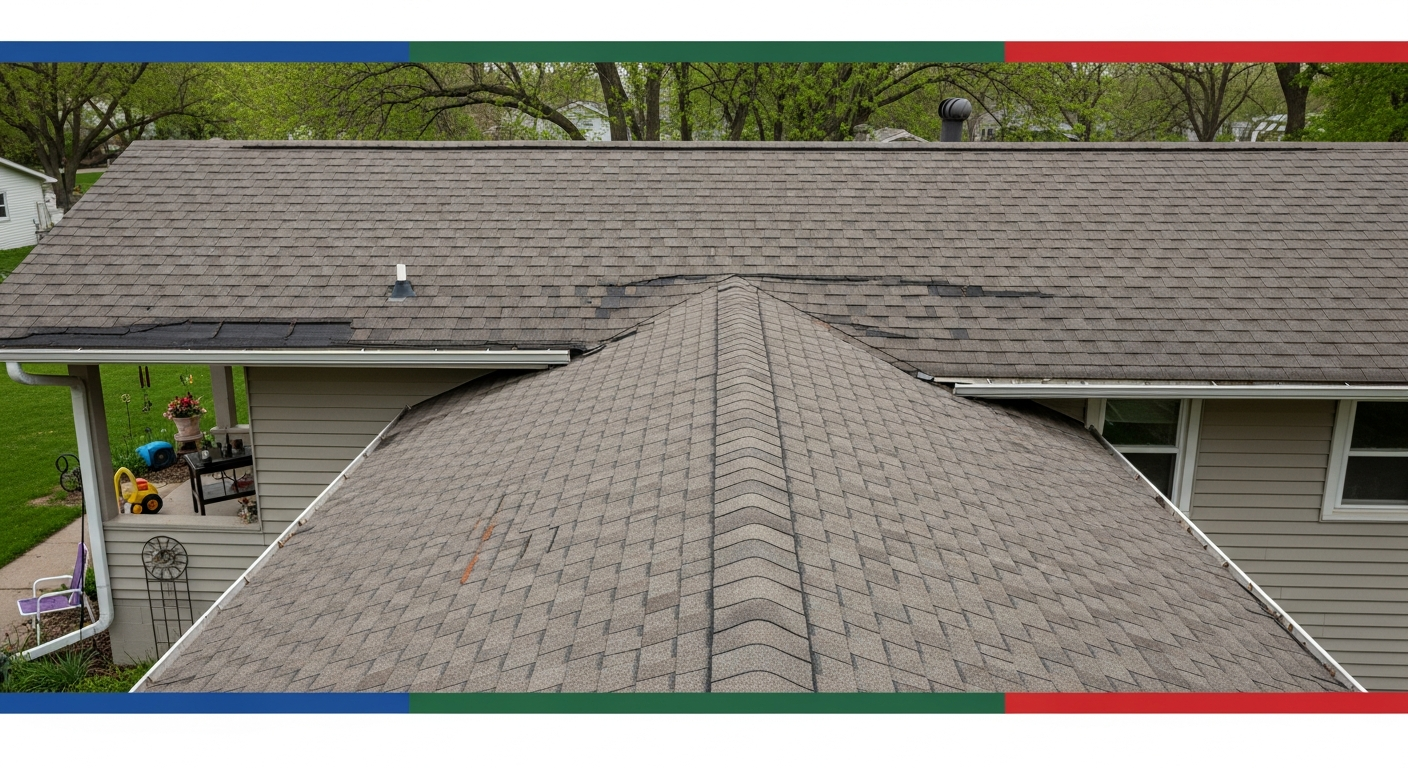
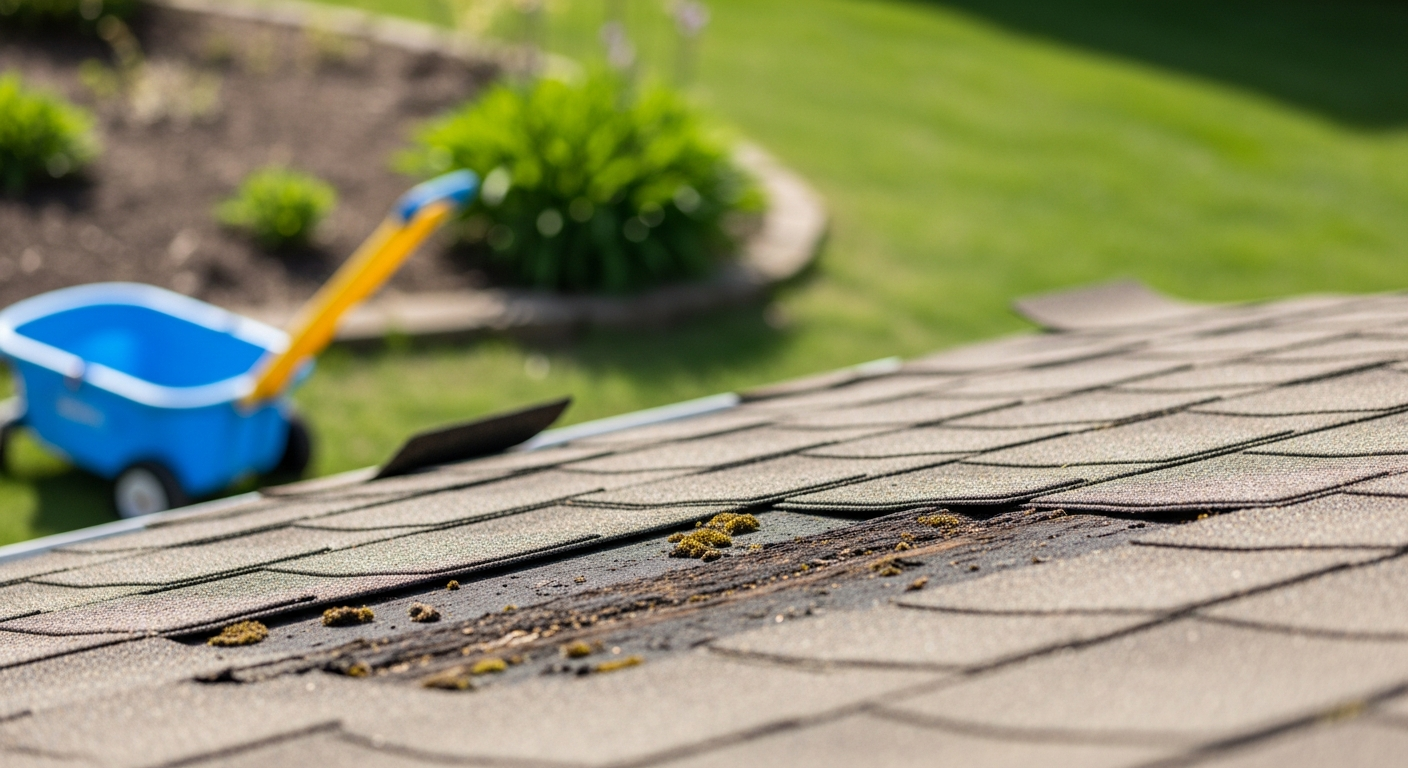
Look for "bald spots" on individual shingles where granule coverage appears thin or missing entirely. These typically develop first on south and west-facing roof sections that receive the most intense afternoon sun. In Ormsby's climate, this pattern often starts along roof edges and gradually moves toward ridge lines as summer progresses.
Shingle curling represents another clear indicator. When asphalt loses flexibility, edges begin lifting away from the roof deck, creating visible gaps. This curling accelerates during hot, humid periods because the shingle material can no longer adapt to thermal expansion and contraction. Once curling starts, wind-driven rain easily penetrates beneath shingles, creating leak pathways.
How to Prevent Summer Shingle Brittleness

Preventing summer shingle brittleness requires understanding that flexibility loss happens gradually, then suddenly. Roof Rejuvenate MN approaches this challenge through bio-based oil restoration that addresses the root cause rather than just treating symptoms. Their 95% USDA Certified Bio-Based rejuvenator contains corn-derived oils that penetrate deep into asphalt shingle layers, replacing the petroleum compounds lost to heat and UV exposure.
The treatment process involves applying the rejuvenator during optimal weather conditions – typically early morning or late afternoon when temperatures stay below 85 degrees. This timing ensures maximum absorption before the next heat cycle begins. The corn-based formula bonds with existing asphalt at the molecular level, restoring flexibility and improving granule adhesion that prevents further deterioration.
Roof Rejuvenate MN's approach includes pre-treatment inspection and minor repairs to address any existing damage before rejuvenation. This comprehensive method ensures that the bio-based treatment can work effectively across the entire roof surface. Their team documents granule loss patterns and flexibility issues specific to each property, creating a baseline for measuring treatment effectiveness.
One recent Ormsby customer with a 15-year-old dimensional shingle roof reported significant improvement after treatment. The homeowner had noticed increased granule accumulation in gutters and several lifted shingle edges along the garage section. Within 72 hours of treatment, shingle edges had settled back into position, and granule shedding decreased noticeably during subsequent rain events.
Watonwan County Summer Roof Maintenance Requirements
Watonwan County summer roof maintenance demands differ from other Minnesota regions due to specific climate and environmental factors. The county's position in the Western Corn Belt Plains creates unique challenges – intense agricultural heat reflection, minimal natural windbreaks, and storm patterns that bring rapid temperature changes. These conditions require proactive maintenance approaches rather than reactive repairs.
Summer maintenance should focus on preserving shingle flexibility before brittleness develops. This means addressing minor issues like loose flashing, clogged gutters, and debris accumulation that can trap heat against roof surfaces. Regular cleaning removes organic matter that retains moisture and creates localized humidity problems.
Timing of maintenance activities matters significantly in Watonwan County's climate. Work performed during peak heat periods can actually stress roofing materials further. Roof Rejuvenate MN schedules treatments during optimal temperature windows, typically early morning hours when materials remain stable and absorption rates maximize.
Professional assessment becomes especially important for homes approaching the 10-year mark. At this age, original shingle oils have depleted sufficiently that summer heat stress can cause rapid deterioration. Early intervention through rejuvenation treatment can extend roof life significantly, often adding 5-7 years before replacement becomes necessary.
Understanding your roof's specific vulnerabilities helps prioritize maintenance efforts. Homes with complex roof lines, multiple dormers, or extensive south-facing exposure require more frequent attention. Simple monitoring – checking for granule accumulation, documenting any shingle changes with dated photos, and noting any new leaks or moisture issues – provides valuable data for maintenance planning.
Summer roof maintenance in Watonwan County also means preparing for hail season. Shingles that maintain flexibility handle impact stress much better than brittle materials. A properly maintained and rejuvenated roof can often survive moderate hail events that would cause significant damage to heat-stressed, inflexible shingles.
If you're noticing signs of summer heat damage on your Ormsby roof, addressing flexibility loss before hail season arrives can save thousands in replacement costs. Roof Rejuvenate MN's bio-based treatment approach offers a proven solution that works with your existing shingles rather than requiring complete replacement. Contact their team for a free assessment to evaluate your roof's current condition and discuss rejuvenation options. Their experience across southeastern Minnesota provides the local knowledge needed to protect your investment through summer heat stress and beyond.
Frequently Asked Questions

How long does summer humidity take to damage shingle flexibility in Ormsby?
Noticeable flexibility loss typically occurs within 30-45 days of sustained high humidity combined with temperatures above 85 degrees. Ormsby's agricultural setting can accelerate this timeline due to heat reflection from surrounding farmland. Shingles over 8 years old show vulnerability within 2-3 weeks of peak summer conditions, while newer shingles may withstand 6-8 weeks before flexibility changes become apparent.
What temperature range causes the most asphalt shingle damage in Watonwan County?
The danger zone occurs between 85-95 degrees Fahrenheit with humidity levels above 65%. This combination creates optimal conditions for oil evaporation from asphalt shingles. Watonwan County typically experiences these conditions 15-20 days per summer, with peak damage occurring during sustained heat waves lasting 3+ consecutive days. Temperature fluctuations of 20+ degrees between night and day compound the stress on roofing materials.
Can roof rejuvenation treatment prevent future summer heat damage?
Bio-based rejuvenation treatment significantly improves shingle resistance to heat stress by restoring lost oils and improving flexibility. Properly treated shingles can withstand temperature extremes 40-50% better than untreated materials. The corn-based oils used in professional treatments bond permanently with existing asphalt, providing ongoing protection against UV degradation and thermal stress. Most treatments provide 5-7 years of enhanced protection when applied to shingles showing early flexibility loss.

Comments