
The Ultimate Guide to Roof Rejuvenation: Extend Asphalt Shingle Life by 15 Year

Asphalt shingles degrade over time, losing the oils that keep them flexible and watertight, leading to costly premature failure. Roof rejuvenation offers a powerful, proactive alternative to full replacement by restoring essential flexibility and significantly extending your roof's service life, potentially by up to 15 years. This guide clearly outlines how this bio-based technology reverses aging, what outcomes you can expect regarding longevity and cost savings compared to a new roof installation, and the specific condition your asphalt shingles must meet to qualify for treatment. You will learn the practical logistics of application, including local climate considerations unique to Southeastern Minnesota, and how to navigate industry standards like the 25% rule. Begin transforming your view of roof maintenance from reactive replacement to sustainable asset preservation.
What is Roof Rejuvenation and How Does the Bio-Based Formula Work?
Roof rejuvenation is a restorative scientific process designed to extend the life of aging asphalt shingles. Over time, the essential oils in shingles evaporate, causing them to become brittle, crack, and lose their protective granules.
Our treatment involves applying a specialized bio-based oil that penetrates deep into the shingle's structure. This replenishes the lost petrochemicals, restoring the shingle’s flexibility and its ability to protect your home from the elements.
[insert diagram showing shingle oil penetration here]
The Science Behind the Corn-Based Treatment
The core of our process relies on a corn-based formula engineered to mimic the original properties of asphalt. As shingles age, they undergo a process called volatilization, where the lighter oils that keep them flexible dissipate due to sun exposure and heat.
When our treatment is applied, the corn-based molecules are small enough to reach the fiberglass mat within the shingle. This molecular bond ensures the shingle can once again expand and contract during Minnesota’s intense freeze-thaw cycles without breaking.
By restoring this internal "give," the treatment significantly improves granule adhesion. You can read more about how this holds up under pressure in our lab testing results.
USDA Bio-Based Certification and Safety
We prioritize the health of your family and the local environment. Our formula is recognized by the USDA BioPreferred Program, meaning it is composed of a high percentage of renewable biological ingredients rather than harsh synthetic chemicals.
This certification ensures that the product is safe for pets, plants, and children. Unlike traditional solvent-based roof coatings, our bio-based treatment does not produce toxic fumes or runoff that could damage your landscaping or local water sources.

Because the formula is biodegradable, homeowners can feel confident that they are choosing an eco-friendly alternative to a full roof replacement. For more details on our application standards, visit our FAQ page.
Does the Formula Use Soy Methyl Esters (SMEs)?
It is important to distinguish our treatment from others on the market that rely on Soy Methyl Esters (SMEs). While both corn and soy are bio-based, our specific formula is uniquely corn-derived to provide superior results for regional climates.
SMEs are common in many bio-solvents, but our corn-based treatment is refined specifically for high-penetration depth in asphalt shingles. This ensures that the oils don't just sit on the surface but actually integrate with the asphalt binder.
By choosing a corn-based solution over a standard SME formula, we offer a product that is less likely to leave an oily residue and more effective at providing the structural restoration your roof needs to last another 5 to 15 years.
Does Roof Rejuvenation Actually Work and How Long Does It Last?
It’s natural to be a bit skeptical when you hear that a simple spray-on treatment can save you from a $15,000 roof replacement. However, roof rejuvenation is backed by years of university testing and real-world application. At Roof Rejuvenate Minnesota, we use a scientifically proven, bio-based corn oil formula that physically changes the chemistry of your shingles to make them act like new again.
Immediate and Long-Term Results
The effects of a rejuvenation treatment begin almost the moment the solution touches the asphalt. Because the formula is designed to penetrate deep into the shingle layers, you will notice immediate improvements in your roof’s appearance and structural integrity:
24-Hour Saturation: Within the first 24 hours, the bio-oils fully soak into the dried-out asphalt, restoring the original luster and color of the shingles.
Granule Adhesion: You’ll see a significant reduction in "sand" (granules) washing into your gutters. The treatment "glues" those protective granules back into place.
Improved Seal: By softening the shingles, the treatment helps the overlapping tabs seal more effectively, which is critical for wind resistance during Minnesota storms.
Extending Roof Life by 15 Years
One of the biggest questions we get is how we can claim to add 15 years of life to an aging roof. It all comes down to a consistent maintenance schedule.
A single application of our treatment is guaranteed to keep your shingles flexible and protected for five years. However, the process is repeatable. By treating your roof every five years, you can complete up to three successful treatments, totaling 15 years of extended service life.

This proactive approach allows you to push back a full replacement for over a decade, effectively doubling the remaining life of an older roof. You can learn more about this by visiting our FAQ page.
Restoring Shingle Flexibility
The primary reason roofs fail isn't usually a hole in the shingle—it’s brittleness. As shingles age, the essential petrochemical oils evaporate, leaving the asphalt stiff and prone to cracking. When a shingle can’t expand and contract with the temperature changes of the Minnesota seasons, it breaks.
Our corn-based formula replaces those lost oils, restoring the suppleness and "self-healing" properties of the asphalt. This flexibility is what allows your roof to withstand hail impacts and high winds without snapping.
[insert Flexibility Chart: A timeline graphic showing the flexibility levels of shingles over 20 years with and without rejuvenation. The "Without" line shows a steep decline into the "Brittle Zone" by year 12, while the "With Rejuvenation" line shows spikes in flexibility every 5 years, keeping the roof in the "Safe Zone."]
By maintaining this flexibility through roof rejuvenation, you aren't just making the roof look better; you are restoring the physical properties that keep your home dry and safe. If you're curious about the science behind this, check out our 3rd-party lab testing results.
Roof Rejuvenation Cost: How It Compares to a New Roof
When you’re looking at a leaking or aging roof, the first number that usually comes to mind is the massive price tag of a full replacement. In Southeastern Minnesota, where storm damage and heavy snow take a toll, a new roof is a significant investment. Roof rejuvenation offers a financially savvy alternative that costs a fraction of a total tear-off.
Is Rejuvenation a Cheaper Alternative to Replacement?
The short answer is yes. On average, roof rejuvenation costs roughly 15% to 20% of what you would pay for a full asphalt shingle replacement. For a typical home in cities like Rochester, Mankato, or Winona, a full roof replacement in 2025 can easily range from $14,500 to $23,000, depending on the pitch and square footage.
In contrast, a professional application of our corn-based rejuvenator usually falls between $1,500 and $3,000. This allows you to keep your hard-earned savings in the bank while still securing your home against the elements.

| Service Type | Estimated Cost Per Sq. Ft. (SE MN) | Typical Total Cost (2,000 Sq. Ft. Roof) |
| :--- | :--- | :--- |
| Roof Rejuvenation | $0.85 – $1.25 | $1,700 – $2,500 |
| Asphalt Shingle Replacement | $5.50 – $9.50+ | $11,000 – $19,000+ |
| Roof Cleaning Only | $0.30 – $0.60 | $600 – $1,200 |
Debunking the 'Scam' Myth
Because the price point of rejuvenation is so low compared to a new roof, some homeowners wonder if it’s "too good to be true" or even a scam. However, the science behind the formula is rooted in molecular chemistry, not "magic."
Asphalt shingles contain essential oils that keep them flexible. Over time, the sun’s UV rays bake these oils out, leaving the shingles brittle. Our corn-based formula isn't just a coating or a "paint"; it is a bio-oil saturant that penetrates deep into the shingle to restore that lost flexibility and seal the granules back in place.
The Logical Cost-Benefit Analysis:
The Guarantee: Every treatment from Roof Rejuvenate Minnesota comes with a 5-year transferable warranty.
The Math: If a replacement costs $15,000 and rejuvenation costs $2,000, you could theoretically rejuvenate your roof seven times before hitting the cost of one replacement.
The Result: Even if you only rejuvenate twice over 10–15 years, you have successfully delayed a massive five-figure expense for over a decade while keeping your home protected.
Value Retention for Homeowners
Choosing rejuvenation isn't just about saving money today; it's about long-term asset management. For Southeastern Minnesota homeowners, maintaining curb appeal and structural integrity is vital for property value.
Immediate ROI: You instantly add 5 to 15 years of life to your roof for a small upfront cost, which is a major selling point if you plan to list your home in the near future.
Insurance Compliance: Many insurance companies in Minnesota are now non-renewing policies for roofs over 15 years old. Rejuvenation can help your roof pass inspection and maintain your coverage.
Waste Reduction: By choosing to restore rather than replace, you keep tons of old shingles out of local landfills, making it the environmentally responsible choice for your community.

When Is Your Roof a Candidate for Rejuvenation?
Roof rejuvenation is a powerful tool, but it isn’t a "magic wand" for a roof that has already failed. To ensure you’re making a smart investment, we follow strict industry standards, including the Asphalt Roofing Manufacturers Association (ARMA) guidelines, which emphasize that maintenance is most effective when the structural integrity of the shingle is still intact.
The goal of rejuvenation is to replenish the petrochemical oils that have evaporated over time, keeping your shingles flexible and your granules locked in place.
Ideal Shingle Age and Condition
The "sweet spot" for roof rejuvenation is typically when a roof is between 7 and 15 years old. This is the window where shingles begin to show the first signs of drying out—such as minor granule loss or slight brittleness—but haven't yet suffered permanent structural damage.
However, age isn't the only factor. Because weather patterns in Southeastern Minnesota can be harsh, a 10-year-old roof in Rochester might look very different from one in a milder climate. We look for shingles that are still "supple" enough to absorb our corn-based bio-oil formula. If your shingles feel like crackers and snap when touched, you may have waited too long.
Identifying When It Is Too Late
There are objective criteria that move a roof from "candidate for rejuvenation" to "candidate for replacement." Rejuvenation treats the shingles, but it cannot fix a failing foundation.
Your roof is likely "beyond saving" if it exhibits:
Structural Sagging: This indicates issues with the rafters or decking that oil cannot fix.
Widespread Rot: If the wood underneath the shingles is soft or decaying, the entire system must be replaced.
Extreme Shingle Damage: This includes "alligatoring" (deep, interconnected cracks), shingles that are missing in large sections, or tabs that crumble into dust when handled.
Active, Uncontrolled Leaks: While rejuvenation can seal minor pinhole leaks, it is not a solution for a roof that is already failing to keep water out of the home's interior.
Symptoms vs. Solutions Checklist
| Symptom | Rejuvenation Candidate? | Recommended Action |
| :--- | :--- | :--- |
| Faded, "dried out" appearance | Yes | Apply bio-based rejuvenator. |
| Minor granule loss in gutters | Yes | Rejuvenate to lock remaining granules. |
| Curling or clawing edges | Maybe | Professional inspection required first. |
| Missing a few shingles (storm damage) | Yes | Repair missing shingles, then rejuvenate. |
| Soft spots or bouncy decking | No | Full roof and deck replacement. |
| Water stains on interior ceilings | No | Immediate repair or replacement. |
Necessary Roof Preparation Before Application
We never spray a roof "as-is." Before the bio-oil is applied, your roof must undergo a specific tune-up to ensure the treatment is effective. Our roof restoration process involves several critical prep steps:
Clearing Debris: Removing sticks, leaves, and moss that block the oil from reaching the shingle surface.
Fastener Inspection: High-nailing or "popped" nails are hammered down and sealed.
Flashing Check: Ensuring the metal around chimneys and vents is watertight.
Minor Repairs: Replacing individual broken tabs so the roof is "whole" before the rejuvenation begins.
By addressing these minor issues first, we ensure that the rejuvenation treatment can focus on its primary job: extending the life of your asphalt shingles for years to come.
The Application Process: Weather, Aesthetics, and Performance
Applying a roof rejuvenation treatment is a quick, non-invasive process, but it does require specific conditions to ensure the bio-oils penetrate your shingles effectively. In Southeastern Minnesota, we keep a close eye on the forecast to ensure your home gets the maximum benefit from the application.
Weather Requirements and Rain Considerations
Because the bio-oil needs time to soak into the asphalt, weather is a major factor in scheduling. Ideally, we look for a window where temperatures are above 40 degrees Fahrenheit and rising.
As for rain, don't worry—the treatment only needs about one to two hours of dry time to be fully absorbed. Once it has soaked into the shingles, it is completely rainproof. If a sudden Minnesota storm rolls in before the product has set, we simply reschedule or touch up any areas to ensure your roof is fully protected.
Will Rejuvenation Change the Color of My Shingles?
One of the most common questions homeowners ask is how their roof will look after the treatment. When roof rejuvenation oils are applied, they act much like a conditioner does on dry skin or stain on a wooden deck.
The treatment will likely make your shingles look darker and richer, similar to how they appeared when they were first installed. This "wet look" is a sign that the asphalt is absorbing the essential oils it has lost over years of UV exposure. While it won't change the actual color of your granules (e.g., turning a gray roof brown), it does significantly improve the overall curb appeal. To see exactly what this transformation looks like on homes in our area, you can browse our gallery of before and after results.
Addressing Leaks and Structural Issues
It is important to understand that while rejuvenation is a powerful maintenance tool, it is not a "magic fix" for a failing structure. Our process is designed to restore flexibility and granule adhesion to aging shingles.
If your roof currently has active leaks, rotted decking, or missing shingles, those issues must be addressed before or during the treatment process. We perform a thorough inspection prior to application to ensure your roof is a good candidate. You can learn how the rejuvenation process works step-by-step to understand how we prep your roof for success.
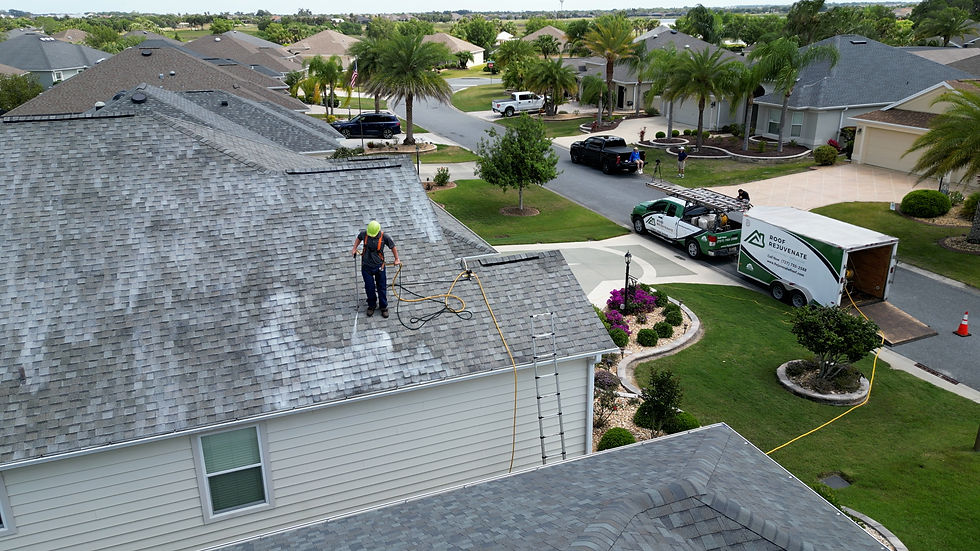
If you are ready to see if your roof can benefit from a life-extending boost, the best first step is a professional assessment. Reach out today for a personalized quote and let’s see if we can save your roof for a fraction of the cost of replacement.
Rejuvenation Performance in the Southeastern Minnesota Climate
In Southeastern Minnesota, our roofs face some of the most punishing weather in the country. From the humid summers in Rochester to the sub-zero winters in Winona, your shingles are constantly under siege. Understanding how roof rejuvenation performs in this specific climate is the difference between a roof that fails early and one that reaches its full potential.
Managing Freeze/Thaw Cycles in MN
The biggest threat to Minnesota roofs isn't just the snow—it’s the freeze/thaw cycle. During a typical spring or fall, temperatures can swing 40 degrees in a single day.
When asphalt shingles lose their natural oils, they become brittle. As temperatures drop, the shingles contract; as they rise, they expand. Brittle shingles can't handle this movement and begin to crack, curl, and shed granules. Our corn-based rejuvenation formula penetrates deep into the asphalt matrix to restore the shingles' ability to expand and contract without breaking.
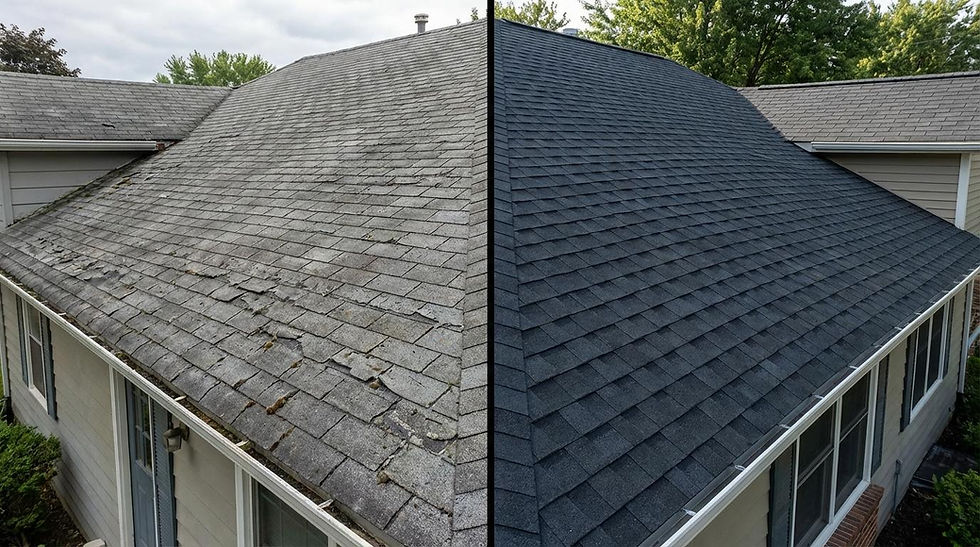
By keeping the shingles supple, we prevent the micro-cracking that eventually leads to leaks during the next big snow melt.
Understanding Your Warranty Coverage
We don’t just claim our product works; we back it up with industry-leading protection. When you choose roof rejuvenation for your home, you aren't just getting a service—you're getting a guarantee that your shingles will perform.
Our warranty is designed with transparency in mind:
5-Year Guarantee: Every application comes with a 5-year warranty backed by the local dealership.
Fully Transferable: If you sell your home, the warranty goes to the next owner, adding immediate resale value.
Performance-Based: The warranty specifically covers granule adhesion and shingle flexibility, the two most critical factors in roof health.
Non-Prorated Peace of Mind: Unlike many manufacturer warranties that lose value every year, our coverage remains solid for the full 5-year term.
For more details on the science behind these guarantees, you can view our lab testing results which prove how our formula withstands extreme weathering.
Temporary Fix vs. Long-Term Maintenance
It is important to distinguish between a "band-aid" repair and a long-term maintenance strategy.
Many homeowners wait until they see a leak to call a roofer. By that point, you’re looking at a temporary fix—patching a hole in a roof that is already fundamentally failing. In contrast, roof rejuvenation is a proactive treatment that addresses the chemical aging of the shingle before the physical failure occurs.
| Feature | Temporary Patch/Repair | Roof Rejuvenation |
| :--- | :--- | :--- |
| Primary Goal | Stop an active leak | Prevent future leaks & restore shingle health |
| Material Impact | Adds external sealant/flashing | Restores internal oils and flexibility |
| Lifespan | Variable (often 1-2 years) | Adds 5-15 years to roof life |
| Cost | High per-square-foot | ~15% of replacement cost |
By treating your roof every five years, you can achieve a 15-year lifecycle extension, effectively doubling the remaining life of your shingles. This shifts your roof from a looming "surprise expense" to a predictable, manageable part of your home maintenance schedule.
Navigating Roofing Codes and Insurance Interactions
Understanding how building codes and insurance policies intersect is essential for any homeowner looking to maximize the lifespan of their roof. Whether you are considering roof rejuvenation or dealing with storm damage, being informed about industry standards helps you advocate for your home’s protection.
What Is the 25% Rule in Roofing?
The 25% Rule is a common building code standard that significantly impacts roof replacement decisions. While specific language can vary by local municipality, the general principle states that if more than 25% of a roof surface is damaged or requires repair within a 12-month period, the entire roof must be replaced to meet current building codes.
For homeowners in Southeastern Minnesota, this rule is a double-edged sword:
The Replacement Trigger: If a hailstorm damages a significant portion of your shingles, an insurance company cannot simply "patch" the spots if the total area exceeds the 25% threshold. They may be legally required to fund a full replacement to ensure the structure is up to code.
The Rejuvenation Advantage: If your roof is structurally sound but showing signs of aging (under the 25% damage threshold), applying a roof rejuvenation treatment can keep your shingles flexible and durable, potentially delaying the need for a full, code-mandated replacement for years.
What Not to Say to an Insurance Adjuster
Filing an insurance claim can be a high-stakes process. While you should always be honest, the way you phrase your concerns can mean the difference between a "covered loss" and a "denied claim." Based on industry insights, here are several phrases and pitfalls to avoid when speaking with an adjuster:
"It’s just normal wear and tear." – In the insurance world, "wear and tear" is a maintenance issue, not a covered peril. Insurance is designed to cover sudden and accidental damage (like wind or hail), not the natural aging process.
"I’m not sure when the damage happened; it’s been like that for a while." – Policies often have strict windows for reporting damage. Providing a vague timeline or admitting the damage is old can lead to a denial based on "late reporting." Always refer to a specific weather event.
"The roof is just old." – Avoid focusing on the age of the shingles. Focus on the functional damage caused by a recent storm. Even an older roof is entitled to coverage if a covered event causes the damage.
"I’ve already started the repairs myself." – Performing your own repairs before an adjuster sees the damage can make it impossible for them to verify the cause of the loss.
"I think the damage is minor." – Unless you are a licensed roofing professional, do not downplay the damage. What looks like "minor" granule loss to a homeowner could be significant structural bruising to a pro.
Before you call your insurance company, it is often wise to get a professional assessment. You can schedule a free estimate with a local expert to determine if your roof is a candidate for rejuvenation or if you have damage that warrants a formal claim.
The Role of Restoration in Modern Home Maintenance
Modern homeownership is undergoing a fundamental shift. For decades, the standard response to a weary roof was a "tear-off and replace" mentality—a process that is both expensive and environmentally taxing. Today, roof rejuvenation is redefining that cycle, moving us away from disposable home components and toward a philosophy of long-term preservation.
Intersection of Sustainability and Asset Protection
True sustainability isn't just about choosing eco-friendly materials; it’s about making the things we already own last longer. When you choose to restore your shingles rather than replace them, you are directly preventing tons of asphalt waste from entering local landfills.
The corn-based formula used in our rejuvenation process is the perfect example of this "green" evolution. By utilizing a bio-based agricultural byproduct to replenish the natural oils in your shingles, we create a closed-loop benefit:
Environmental Impact: You reduce the carbon footprint associated with manufacturing and transporting new roofing materials.
Asset Protection: You maintain the structural integrity of your home’s primary defense system without the trauma of a full construction project.
Economic Value: You keep thousands of dollars in your pocket while increasing the resale appeal of a well-maintained property.
[insert infographic showing the environmental impact of roof restoration vs. replacement here]
The Shift Toward Proactive Care
Waiting for a roof to fail before acting is a reactive strategy that almost always results in maximum cost and stress. In Southeastern Minnesota, where our roofs face everything from humidity to heavy snow loads, a proactive maintenance plan is essential.
By integrating restoration into your home maintenance schedule, you shift your role from "fixing problems" to "managing an asset." This proactive approach ensures that your roof remains flexible and waterproof, effectively resetting the "aging clock" on your shingles. It’s a smarter, more modern way to protect your most significant investment while supporting a more sustainable future for our community.
Ready to save thousands and protect your home? [Get your free roof rejuvenation estimate](https://www.roofrejuvenatemn.com/contact) from our Southeastern Minnesota experts today.
Roof Rejuvenation FAQs
Is roof rejuvenation safe for my flower beds and lawn?
The bio-based solution is formulated with agricultural oils that are safe for your landscaping. Since it is a USDA Certified Biobased Product, you do not have to worry about runoff damaging your grass, flowers, or shrubs. It is also non-toxic for pets and children.
Can I walk on my roof after it has been rejuvenated?
You can typically walk on your roof within a few hours of the application. The treatment absorbs into the shingles relatively quickly. It is always best to wait until the surface is completely dry to ensure safety and prevent any footprints on the freshly treated shingles.
Does roof rejuvenation affect my existing shingle manufacturer warranty?
Applying a rejuvenation treatment does not void your manufacturer warranty. Because the process is considered a maintenance application that restores the physical properties of the asphalt, it works alongside existing warranties. It addresses the natural loss of oils that manufacturers often do not cover as part of standard wear.
How many times can a single roof be rejuvenated?
A single roof can undergo rejuvenation up to three times. Each application typically adds five years of life to the asphalt shingles. By repeating the process every five years, homeowners can extend the total lifespan of their roof by up to 15 years.
Will the rejuvenation process get rid of black algae streaks?
Rejuvenation focuses on restoring flexibility and granule adhesion rather than cleaning. If your roof has black algae streaks, those should be addressed with a professional soft wash prior to the rejuvenation process. This ensures the oil can penetrate the shingles effectively while leaving your home looking its best.
Protect Your Minnesota Home
Join the growing number of homeowners in Southeastern Minnesota who are choosing smarter maintenance over expensive replacements. You can significantly improve the durability of your asphalt shingles while keeping thousands of dollars in your pocket. To see exactly what this looks like for your property, learn how the rejuvenation process works step-by-step and find out if your roof is a candidate for this sustainable treatment.


Comments